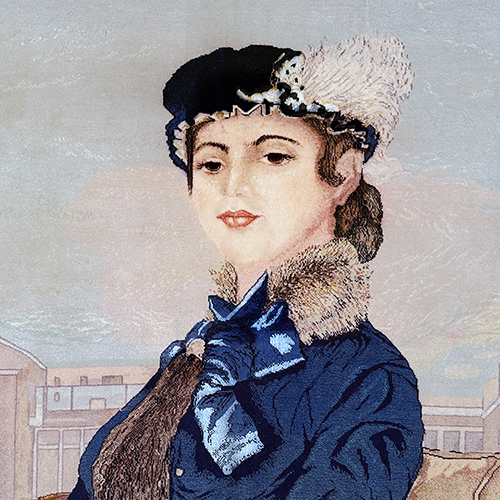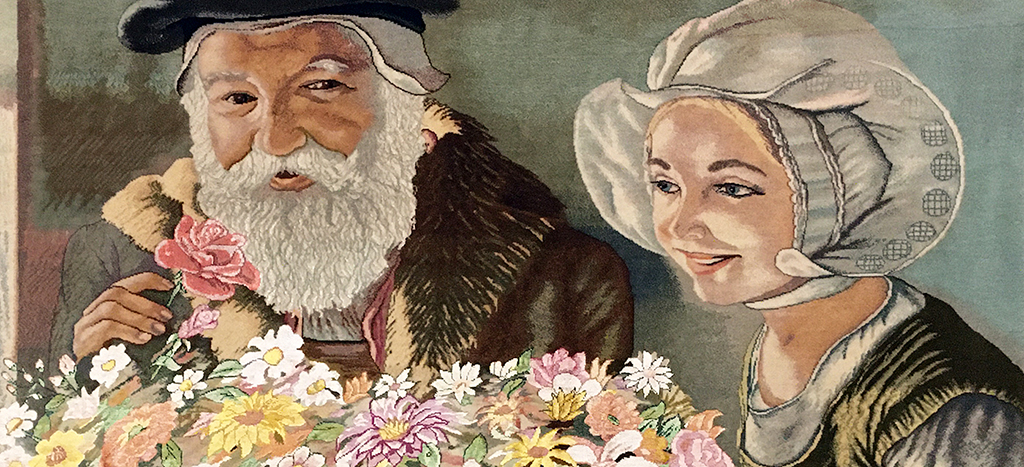
Naghashpour carpets in brief


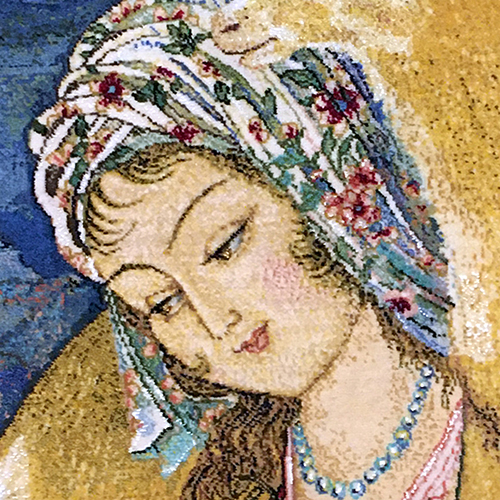
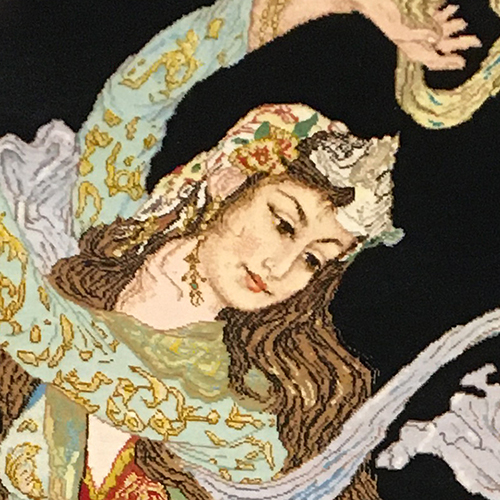
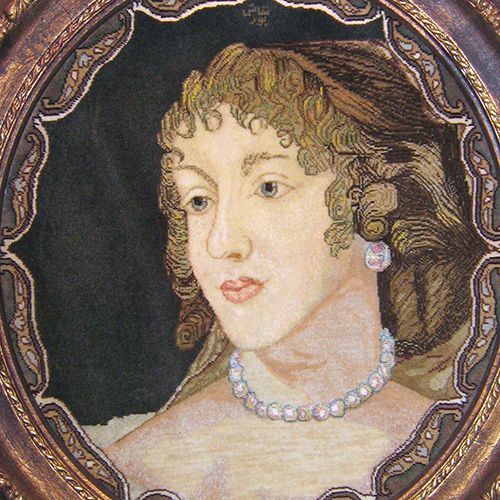
The Persian carpet is like a grand painting, crafted with intricate tools and techniques through the collective effort of skilled artists. Wool and silk are dyed in appropriate colors and woven by hand, knot by knot, onto thewarp and weft, forming an image. In this way, we weave our paintings as Persian carpets.

We believe that a valuable carpet should not only feature the highest quality materials and weaving craftsmanship but also present an image rich in aesthetic, semantic, and emotional value. Colors play a crucial role in this intricate process.

In the realm of visual arts, there are diverse styles to represent a particular subject. Just as painting employs techniques such as oil and watercolor, along with styles like impressionism, surrealism, and more, carpet weaving is no exception. Various styles can be utilized or created to weave images, making each carpet a unique artistic expression.

With over one hundred and ten years of family experience in Tabriz hand-woven carpets and more than half a century of tireless studies and efforts by Master Mohammad Bagher Naghashpour, we are proud to introduce Naghashpour Carpets, showcasing a unique and distinguished style in artisanal carpet creation.

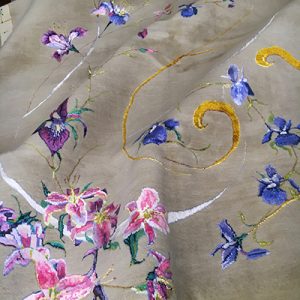
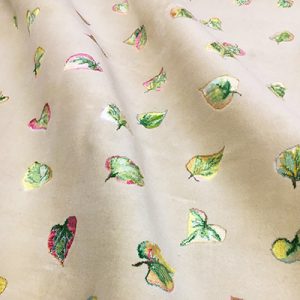
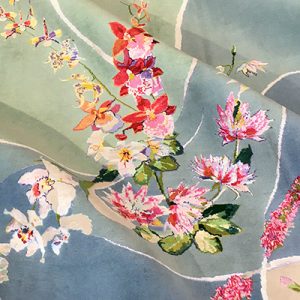
We incorporate painting techniques and styles into our design and coloring process. Using exclusive dyes crafted from the finest wool and silk, we present a valuable and artistic vision that forms the foundation of our Persian rugs. Through the use of the properties of light and color, our carpets reveal additional dimensions in their imagery and captivate the viewer with their visual allure.

Persian carpets boast a wide range of dimensions, uses, and knot densities. We take great pride in the fact that products from our collection are crafted in various types and offered as limited editions; most of these works have been presented in international markets. Each piece is distinguished by its unique identity, and even among similar models, there are distinctive features. These attributes will be elaborately detailed in the descriptive sections.

Ultimately, recognizing the role of art as a universal language for all humanity, and the increasing preference for modernism and minimalism styles, Naghashpour Carpets has meticulously considered these aspects in its current productions, perfectly aligning with the contemporary needs of society.

Naghashpour carpets in brief


The Persian carpet is like a grand painting, crafted with intricate tools and techniques through the collective effort of skilled artists. Wool and silk are dyed in appropriate colors and woven by hand, knot by knot, onto thewarp and weft, forming an image. In this way, we weave our paintings as Persian carpets.

We believe that a valuable carpet should not only feature the highest-quality materials and weaving craftsmanship but also present an image rich in aesthetic, semantic, and emotional value. Colors play a crucial role in this intricate process.

In the realm of visual arts, there are diverse styles to represent a particular subject. Just as painting employs techniques such as oil and watercolor, along with styles like impressionism, surrealism, and more, carpet weaving is no exception. Various styles can be utilized or created to weave images, making each carpet a unique artistic expression.

With over one hundred and ten years of family experience in Tabriz hand-woven carpets and more than half a century of tireless studies and efforts by Master Mohammad Bagher Naghashpour, we are proud to introduce Naghashpour Carpets, showcasing a unique and distinguished style in artisanal carpet creation.

We incorporate painting techniques and styles into our design and coloring process. Using exclusive dyes crafted from the finest wool and silk, we present a valuable and artistic vision that forms the foundation of our Persian rugs. Through the use of the properties of light and color, our carpets reveal additional dimensions in their imagery and captivate the viewer with their visual allure.

Persian carpets boast a wide range of dimensions, uses, and knot densities. We take great pride in the fact that products from our collection are crafted in various types and offered as limited editions; most of these works have been presented in international markets. Each piece is distinguished by its unique identity, and even among similar models, there are distinctive features. These attributes will be elaborately detailed in the descriptive sections.

Ultimately, recognizing the role of art as a universal language for all humanity, and the increasing preference for modernism and minimalism styles, Naghashpour Carpets has meticulously considered these aspects in its current productions, perfectly aligning with the contemporary needs of society.

History of Naghashpour Carpets and Family Name


The story of Naghashpour Carpets began in 1915 in the city of Tabriz, during the youth of Haj EsmaeilNaghashpour Ipchi. He began by purchasing wool from villagers and commissioning traditional spinning workshops to supply high quality carpet materials, which earned him widespread fame. The word “Ip” in the Azeri language means wool yarn, and  Chi refers to the supplier; thus, the suffix Ipchi in his family name denotes his profession. Additionally, the word Naghash means a painter, and Pour means a son in Persian. Since it was customary to assign family names based on each individuals profession and trade, and he was a painter like his father, the name Naghashpour Ipchi was given to him—a person who is a painters son and supplies carpet wool and materials.

Moreover, in addition to being a painter, he was highly skilled in wool dyeing. This familiarity with the foundational elements of carpet making, along with his interactions and transactions with producers and weavers, led to the employment of skilled designers for the production of exquisite Tabriz carpets. It was the start of Naghashpour Carpets manufacturing.

The Naghashpour store in Tabriz Bazaar was engaged in offering high quality carpets and materials for many years. In the 1950s, with the entry of Haji Esmaeils sons into the business, the profession expanded, incorporating branches such as kilim, carpet washing, and finishing services into the familys activities. The late 1950s coincided with his old age and a reduction in his activities. In the early 1960s, the family moved to Tehran, where his sons continued the path by establishing the first Naghashpour Carpet Washing Office in Tehran Bazaar and the first Naghashpour Carpet Store in the former Plasco Building.

Up to this point, the family names roots and the history of Naghashpour Carpets have been briefly mentioned. Unfortunately, in 1972, the founder passed away, and a new chapter began after that…

The Origins of Innovations in Naghashpour Carpets

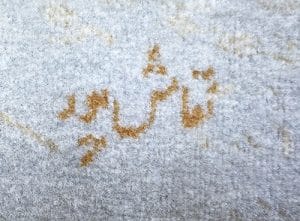
Until the 1950s, the products of this manufactory were influenced by the craftsmanship of various artisans, and therefore, the Naghashpour signature was not woven into the carpets. However, the younger son of the family, who inherited a passion for painting and color from his ancestors and had strived to learn various styles of contemporary painting, believed that the world of carpets was much broader than being confined to repetitive designs  colors. He envisioned that all different styles of painting could also be realized in Persian carpets. Therefore, he decided to bring about transformations in this art, marking the beginning of the intricate journey of Mohammad Bagher Naghashpour Carpets.

The journey was incredibly challenging because a handmade carpet is the result of the efforts of multiple artists and is particularly influenced by three major arts: the design and coloring of the weaving pattern plan, the dyeing of materials, and the weaving art. Each of these branches, beyond their executional constraints, requires a skilled and thoughtful individual who, through collaboration, can spark innovation in the Persian carpets. On the other hand, the world of carpets was so solidly established that it faced a vast array of past work biases and fixed teachings.

These colors and patterns were considered the essence of authentic Persian carpets until that time. Even if someone had the talent and bravery to innovate, due to the deep connection between art and personal emotions, aligning and harmonizing three artists from different artistic fields, each with their own unique thoughts and moods, to create a single piece seemed extraordinarily difficult.

The only solution was for one person to master all three specializations. This individual, with a deep understanding ofeach field, could conceal the limitations of each discipline by leveraging the strengths of the others,creating a unified and innovative piece of art.

It required immense effort, perseverance, and exceptional talent to introduce innovations in thedesign and coloring of weavingpattern plans, dyeing materials creating new colors, and carpet weaving. These innovations had tobe accepted and embraced in the deeply rooted tradition of Persian carpet weaving. However, this effortbegan, and thefoundation of Naghashpours signature on carpets was established by him.

History of Naghashpour Carpets and Family Name


The story of Naghashpour Carpets began in 1915 in the city of Tabriz, during the youth of Haj Esmaeil Naghashpour Ipchi. He began by purchasing wool from villagers and commissioning traditional spinning workshops to supply high quality carpet materials, which earned him widespread fame. The word Ip in the Azeri language means wool yarn, and Chi refers to the supplier; thus, the suffix Ipchi in his family name denotes his profession. Additionally, the word Naghash means a painter, and Pour means a son in Persian. Since it was customary to assign family names based on each individuals profession and trade, and he was a painter like his father, the name Naghashpour Ipchi was given to him—a person who is a painters son and supplies carpet wool and materials.

Moreover, in addition to being a painter, he was highly skilled in wool dyeing. This familiarity with the foundational elements of carpet making, along with his interactions and transactions with producers and weavers, led to the employment of skilled designers for the production of exquisite Tabriz carpets. It was the start of Naghashpour Carpets manufacturing.

The Naghashpour store in Tabriz Bazaar was engaged in offering high quality carpets and materials for many years. In the 1950s, with the entry of Haji Esmaeils sons into the business, the profession expanded, incorporating branches such as kilim, carpet washing, and finishing services into the familys activities. The late 1950s coincided with his old age and a reduction in his activities. In the early 1960s, the family moved to Tehran, where his sons continued the path by establishing the first Naghashpour Carpet Washing Office in Tehran Bazaar and the first Naghashpour Carpet Store in the former Plasco Building.

Up to this point, the family names roots and the history of Naghashpour Carpets have been briefly mentioned. Unfortunately, in 1972, the founder passed away, and a new chapter began after that...

The Origins of Innovations in Naghashpour Carpets


Until the 1950s, the products of this manufactory were influenced by the craftsmanship of various artisans, and therefore, the Naghashpour signature was not woven into the carpets. However, the younger son of the family, who inherited a passion for painting and color from his ancestors and had strived to learn various styles of contemporary painting, believed that the world of carpets was much broader than being confined to repetitive designs  colors. He envisioned that all different styles of painting could also be realized in Persian carpets. Therefore, he decided to bring about transformations in this art, marking the beginning of the intricate journey of Mohammad Bagher Naghashpour Carpets.

The journey was incredibly challenging because a handmade carpet is the result of the efforts of multiple artists and is particularly influenced by three major arts: the design and coloring of the weaving pattern plan, the dyeing of materials, and the weaving art. Each of these branches, beyond their executional constraints, requires a skilled and thoughtful individual who, through collaboration, can spark innovation in the Persian carpets. On the other hand, the world of carpets was so solidly established that it faced a vast array of past work biases and fixed teachings.

These colors and patterns were considered the essence of authentic Persian carpets until that time. Even if someone had the talent and bravery to innovate, due to the deep connection between art and personal emotions, aligning and harmonizing three artists from different artistic fields, each with their own unique thoughts and moods, to create a single piece seemed extraordinarily difficult.

The only solution was for one person to master all three specializations. This individual, with a deep understanding ofeach field, could conceal the limitations of each discipline by leveraging the strengths of the others,creating a unified and innovative piece of art.

It required immense effort, perseverance, and exceptional talent to introduce innovations in thedesign and coloring of weavingpattern plans, dyeing materials creating new colors, and carpet weaving. These innovations had tobe accepted and embraced in the deeply rooted tradition of Persian carpet weaving. However, this effortbegan, and thefoundation of Naghashpours signature on carpets was established by him.

 Innovations in the design and coloring of Persian carpets


This topic can be explored from various perspectives, including the overall approach to the intended design, the use of color and light properties, and the detailed execution in three areas: carpet tableaux, fine rugs, and modern carpets. To help the audience understand the general concepts, preliminary explanations are necessary.

A carpet is a visual narrative created using dyed wool and silk, woven through knotting on the warp and weft, ultimately displaying a specific theme or image. It’s an intricate type of painting executed with different tools and techniques. In all visual arts, various styles can express a particular subject, such as watercolor styles, impressionism, surrealism, and more in painting. Thus, the carpet is no exception to this rule, and all these styles and even more can be used in it.

Addressing this matter requires not only familiarity with various styles but also a comprehensive understanding and mastery of fundamental principles in the art of painting. These include color theory, the color wheel, the physics and properties of light and color, the effects of background colors, the interaction of adjacent and non adjacent colors, the psychological and emotional impacts of colors, principles of color harmony, and the influence of different factors on color perception. Additionally, elements such as rhythm, symmetry, and visual weight are crucial.

During that period, these concepts had not been given special attention in carpet weaving, largely due to the limited range of available colors. In the next section, we will discuss dyeing innovations that have mitigated these limitations.

Additionally, to transform a painting into a carpet, the image had to be scaled to the size of the intended carpet, drawn on paper, and presented to the weaver as a full size weaving pattern plan. This method was common for large rugs but was extremely challenging and complex for carpet tableaux, especially those that aimed to weave the masterpieces of world renowned artists, sometimes magnified thousands of times.

In the 1970s, a time when these innovations were supposed to take place, Iran lacked color copying machines capable of such magnification. This posed a significant challenge for producing carpet tableaux in various sizes.

Additionally, carpet designers struggled to reproduce the valuable paintings of world renowned artists with the same quality and precision on weaving pattern papers at different scales.

As previously mentioned, even colors were not readily available, and carpet tableau artists would mentally enlarge small painting images and weave them using available materials and colors, often resulting in scale and proportional errors. Even today, the term “poster weaving” refers to a type of the same carpet weaving but with modern magnification tools.

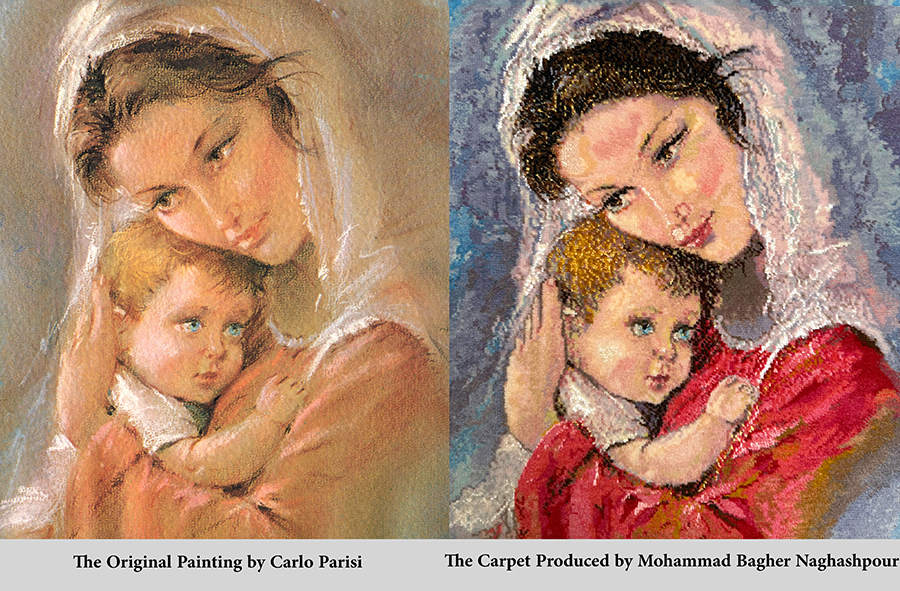
Mr. Mohammad Bagher Naghashpour’s innovations began when he personally adapted valuable paintings into full size carpet pattern papers, manually scaling them while maintaining intricate details.

This effort led to a significant revolution in the carpet tableau industry. At a time when the total annual production of fine carpet tableaux in Iran barely reached 20 pieces per year, often plagued by issues of proportion, scale, and color, he managed to train weavers with new patterns, producing over 200 meticulously detailed and flawless carpet tableaux bearing the Naghashpour signature each year.

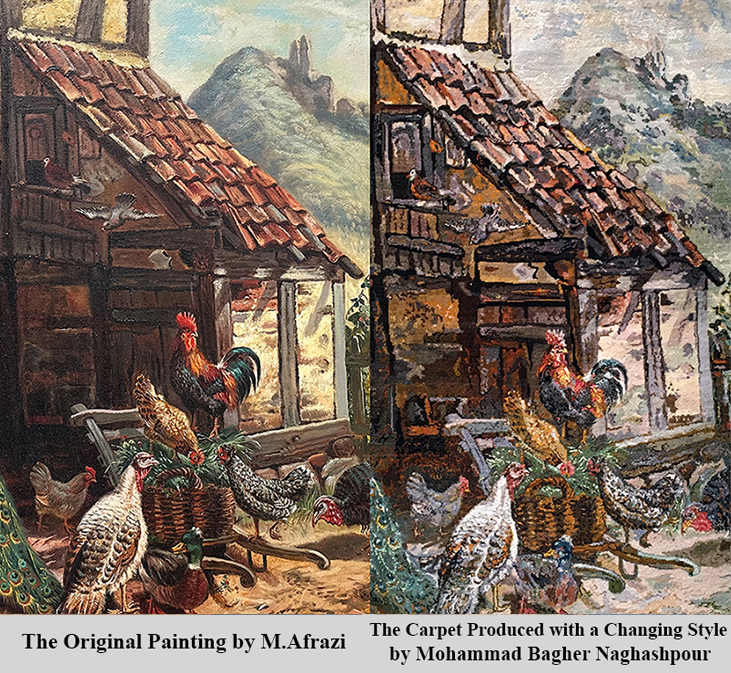
Another innovation in this field involved altering the color schemes of the used paintings. Given that all the selected paintings were masterpieces from museums or renowned world artists, changing the colors of such works seemed unimaginable.

The next significant development was the change in painting styles. For instance, a valuable painting in the realism style would be selected and transformed into a carpet weaving pattern in the watercolor or impressionism style. He advanced to the point where he even altered the original designs of the painters, demonstrating an extraordinary achievement.

Alongside the transformations in carpet tableaux, similar developments occurred in the realm of fine carpets. The first change involved fundamental alterations to traditional color schemes.

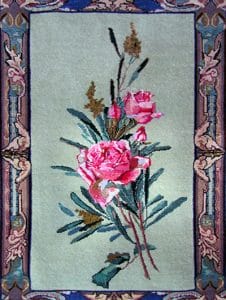
He believed that when a flower image is depicted on a carpet, its colors should reflect the true colors of the flower in nature, and the same rule should apply to any element, such as animal images.

However, since the natural colors of flowers are often bright, using these colors in the carpet usually disrupted the overall harmony, leading to what was termed a color mistake in Persian carpets.

To overcome this challenge, he altered the entire color scheme of the carpet, coloring it in a way that both highlighted the bright colors of natural elements and preserved the overall rhythm and harmony.

The continuation of this approach led to another innovation: the incorporation of watercolor painting styles into Persian rugs.

Utilizing the experience gained from carpet tableaux, he applied the same modifications on a larger scale to rugs.

For the first time, the actual appearance of a watercolor painting was woven into a Persian rug.

Alongside the transformations in carpet tableaux, similar developments occurred in the realm of fine carpets. The first change involved fundamental alterations to traditional color schemes.

He believed that when a flower image is depicted on a carpet, its colors should reflect the true colors of the flower in nature, and the same rule should apply to any element, such as animal images.

However, since the natural colors of flowers are often bright, using these colors in the carpet usually disrupted the overall harmony, leading to what was termed a color mistake in Persian carpets.

To overcome this challenge, he altered the entire color scheme of the carpet, coloring it in a way that both highlighted the bright colors of natural elements and preserved the overall rhythm and harmony.

The continuation of this approach led to another innovation: the incorporation of watercolor painting styles into Persian rugs.

Utilizing the experience gained from carpet tableaux, he applied the same modifications on a larger scale to rugs.

For the first time, the actual appearance of a watercolor painting was woven into a Persian rug.

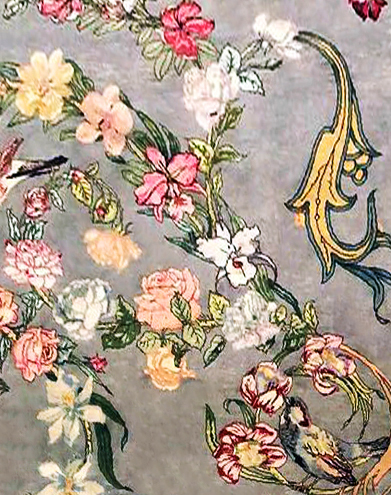
Another innovation was the incorporation of a third dimension into two dimensional images. By creating specific highlights and shadows, depth and dimension were added to the subjects and images, rendering them in a three dimensional form in handmade carpets.

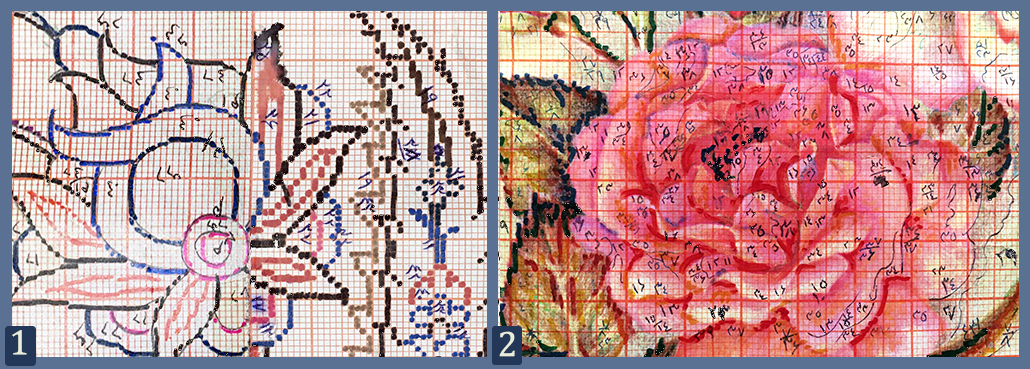
This ultimately led to the creation of a unique style for him, involving numerous difficulties and complexities in execution. To illustrate the difference more tangibly, We compare a section of the three dimensional flower weaving pattern in his carpet with the typical flower weaving pattern commonly seen in Persian carpets.

This comparison clearly illustrates the difference between the simpler structure of traditional carpet patterns and the more advanced design of Naghashpour artistic carpets. Both patterns presented are identical in terms of scale, knot count, and knot size, with each knot approximately measuring one millimeter. The numbers visible on the patterns represent the specific color codes and locations where each color should be used, serving as the main guide for the weaver to execute the design accurately.

Image 1 showcases the pattern and color scheme of a commonly used flower design found in traditional Iranian carpets, typically created with a limited color palette and without the use of shading.

In contrast, Image 2 features the pattern of a distinctive Naghashpour carpet, designed with a three dimensional floral motif. This design stands out due to its rich color variety, use of shading, and advanced weaving techniques, offering unique complexity and exquisite detail.

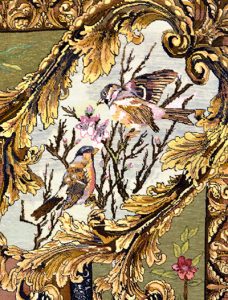
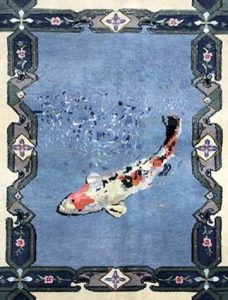
These changes did not stop, and as their scope expanded, the traditional two dimensional and abstract images of elements were replaced by the first three dimensional depictions of fish, flowers, and birds, rendered with lifelike appearances and colors in Persian rugs.

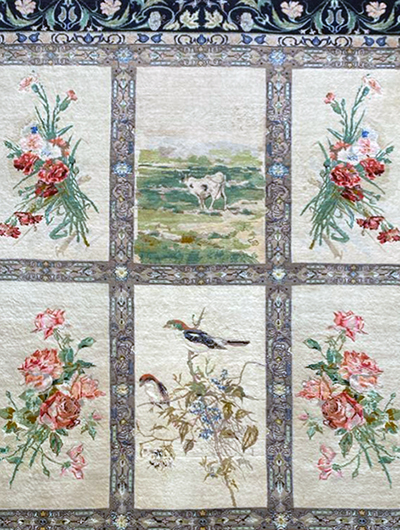
The next significant change was in the design of carpets known as Golestan, which were composed of tile like frames, each containing an image. Innovatively, he placed a large floral frame in the center of the carpet as the medallion and incorporated various painting styles within the frames of a single carpet.

This approach introduced a diverse landscape of styles within one carpet, breaking the monotony of the repetitive rhythm in the Golestan design. These innovative carpets were named Naghashpour Golestan designs.

These changes did not stop, and as their scope expanded, the traditional two dimensional and abstract images of elements were replaced by the first three dimensional depictions of fish, flowers, and birds, rendered with lifelike appearances and colors in Persian rugs.

The next significant change was in the design of carpets known as Golestan, which were composed of tile like frames, each containing an image. Innovatively, he placed a large floral frame in the center of the carpet as the medallion and incorporated various painting styles within the frames of a single carpet.

This approach introduced a diverse landscape of styles within one carpet, breaking the monotony of the repetitive rhythm in the Golestan design. These innovative carpets were named Naghashpour Golestan designs.

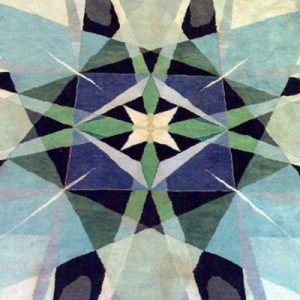
In the field of modern carpets, he was also a pioneer in the early 1990s by weaving geometric designs from prominent international artists, initiating this movement in Persian carpets.

However, since society had not yet embraced this level of thought, the trend did not continue until the early 2010s, when the public began to appreciate this style of handmade carpets, which were typically produced using three or four colors.

Drawing inspiration from the designs of beautiful flowers such as lilies and orchids, and incorporating minimalist styles with vibrant and lively colors, he opened a new chapter in carpet making that meets the needs of modern homes.

The Innovations in the Dyeing of Carpet Materials


To better understand this topic, it is essential to briefly discuss the foundations and principles of dyeing. Dyeing is an art that involves coloring wool and silk using plants, minerals, and sometimes chemicals, by immersing them in pots of boiling water to achieve the desired colors. A significant part of this process is related to the field of chemistry.

The skills required in this art are acquired through experience in areas such as the pretreatment of fibers, understanding the properties of dyes, the effects of temperature and dyeing duration on the reaction and stability of each dye, as well as the use of neutralizers, fixatives, and various other factors. Additionally, because it frequently happens that a dye runs out mid-weaving and needs to be redyed, specific formulas are created based on experience, such as the ratio of dye weight to the weight of wool and silk, along with specific times and temperatures. This leads to the formation of distinct and limited colors among dyers and carpet designers.

In addition, the designer and carpet pattern painter may envision new and diverse colors, but because they rely on someone else to prepare the dye, they may be unable to bring those colors from imagination to reality. Conversely, the dye artist may have the ability to create a beautiful color, but there might not be a suitable place for it within the realm of painting.
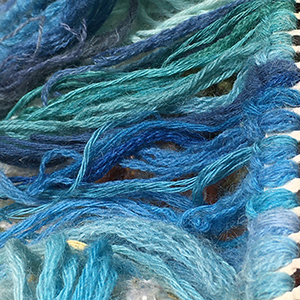
Also, the inherent matte and dull properties of wool, along with the high glossiness of silk, are factors that can hinder the accurate production of many colors. The way colors interact with different fibers can lead to variations in their appearance. Furthermore, a specific color can look different depending on the density and thickness of the knots; it typically appears lighter in coarse knots, where the dye can diffuse more, and appears darker as knot sizedecreases and density increases, allowing fora more concentrated presentation of the color.

Many other details and nuances must be taken into consideration. All these factors have led to the consistent use of a very limited range of colors in carpets.

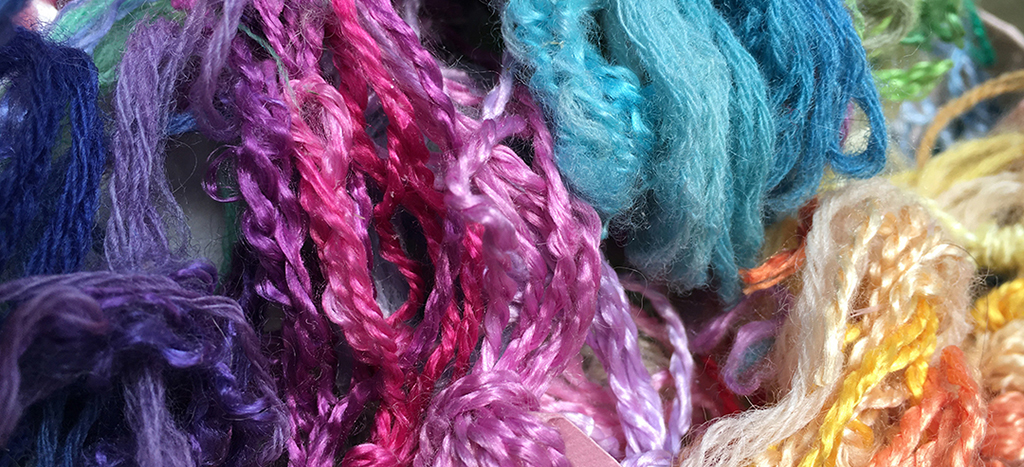
His innovation in the art of dyeing involved discarding traditional formulas and introducing a vibrant array of colors into carpets. As Master Naghashpour was also the designer of his own carpets, he could faithfully and consistently bring any color from his imagination to life on wool and silk.

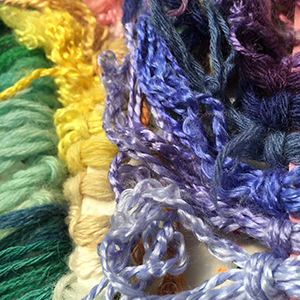
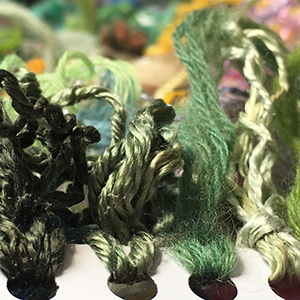
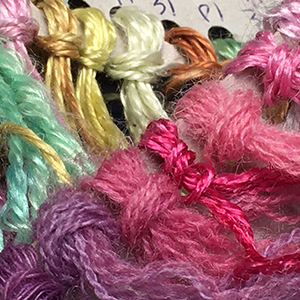
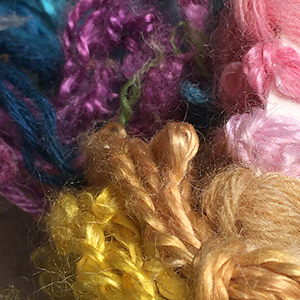
In a context where the total number of conventional colors in carpets might not even reach 100, he created hundreds of shades for each color name. For example, the color sky blue in his carpets could have more than 300 shades. This innovation introduced a new perspective on the art of dyeing.

The Innovations in the Art of Carpet Weaving


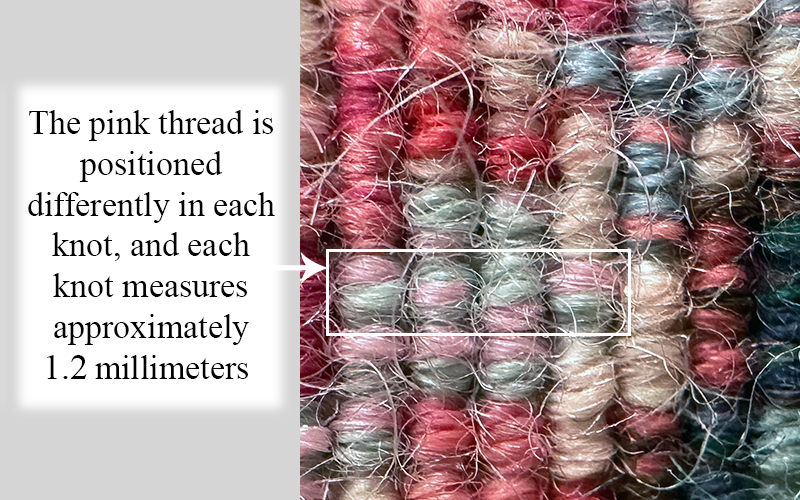
Before him, some talented artists tried to expand the range of carpet colors by using bi colored knots. They would combine strands of two different colors to create a single knot, but they couldn’t control the exact placement of each colored strand.

His innovation in weaving was to increase the number of colors used in a knot to four, carefully determining the placement of each color as needed. This not only significantly expanded the range of colors but also made the woven rows appear several times finer and this was unimaginable for the 1970s.

The image shows an example of the back of the carpet, illustrating the differences in color placement.


The Innovations in the Art of Carpet Weaving


Before him, some talented artists tried to expand the range of carpet colors by using bi colored knots. They would combine strands of two different colors to create a single knot, but they couldn’t control the exact placement of each colored strand.

His innovation in weaving was to increase the number of colors used in a knot to four, carefully determining the placement of each color as needed. This not only significantly expanded the range of colors but also made the woven rows appear several times finer and this was unimaginable for the 1970s.

The image shows an example of the back of the carpet, illustrating the differences in color placement.

The Innovations in Carpet Material Composition


All carpet materials are composed of specific numbers of intertwined fiber strands, with different quantities for warp, weft, weaving wool, and silk, depending on the carpets thickness and knot density. Similar to dyeing formulas, there are established fixed principles in the tradition of selecting materials.
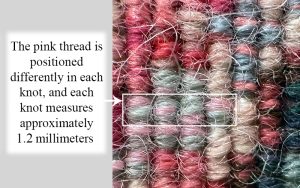
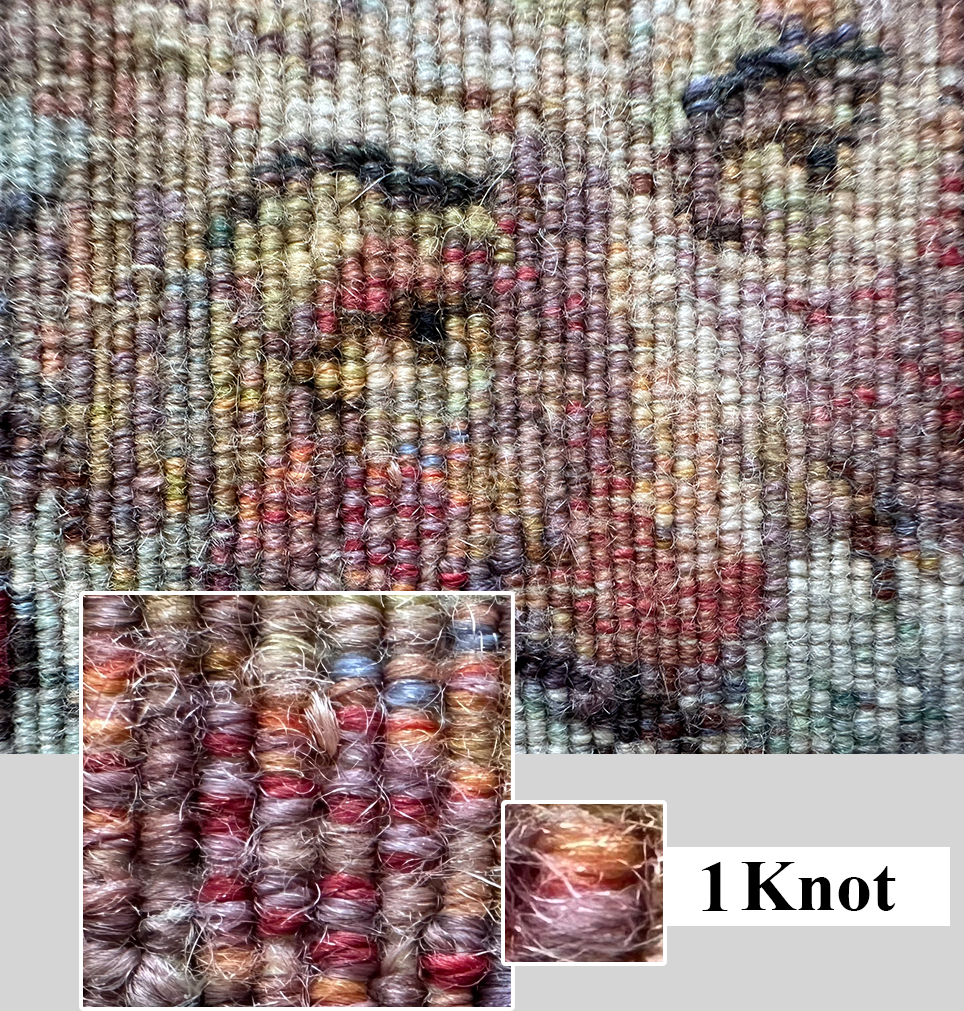
What he achieved in this field was altering the numbers and proportions of the strands. He even incorporated the design and color specifications into the material arrangement. This innovation consistently resulted in the woven carpet being finer and more delicate than other carpets of the same density.

The Innovations in Carpet Material Composition


All carpet materials are composed of specific numbers of intertwined fiber strands, with different quantities for warp, weft, weaving wool, and silk, depending on the carpets thickness and knot density. Similar to dyeing formulas, there are established fixed principles in the tradition of selecting materials.

What he achieved in this field was altering the numbers and proportions of the strands. He even incorporated the design and color specifications into the material arrangement. This innovation consistently resulted in the woven carpet being finer and more delicate than other carpets of the same density.

The value of innovations by Naghashpour carpets

In conclusion, as previously mentioned, a handwoven carpet is a grand piece of painting art created using more complex tools and techniques. The effort of Master Mohammad Bagher Naghashpour in applying various painting styles to Persian carpet weaving becomes more apparent when we understand the differences and limitations of carpets compared to paintings. Here, we will highlight a few examples.

In paintings, the artist sketches the overall design and gradually completesit. Corrections are made, colors are added, and details are refined to enhance the artwork. This process continues until the painting is finished, right in front of the artist’s eyes. However, in carpet weaving, creating a design on paper is only part of the work. The weaving process with wool and silk will produce a different appearance and coloration.

Unlike paintings, carpet weaving does not allow for gradual refinement. From the moment the weaving begins, no changes can be made to the design, and the outcome of the artists labor only becomes evident months later, after thousands or even millions of knots.

A painter can make corrections at the end, but a carpet weaver cannot; mistakes are permanent.

In paintings, colors can be sourced from the finest industrial factories. However, in carpet weaving, those same colors must be created by the artist himself, using boiling water on wool and silk.

In paintings, countless colors can be created and applied on the spot as needed. However, in carpet weaving, the artist must work with a limited number of predyed colors.

In paintings, the final color is exactly what is visible to the eyes, but in carpet weaving, the colors of wool and silk are perceived differently based on the size of the knots and the thickness of the carpet.

A painter works directly with his mind and hands, but in carpet weaving, the artist’s vision is woven by other artisans, requiring collaboration among multiple craftsmen to create a single piece.

In paintings, a linear movement is completed in seconds, whereas in carpet weaving, that same line is formed through numerous knots.

In paintings, fine lines such as facial features are drawn using delicate brushes, but in carpet weaving, the same details face the inherent coarseness of knots. There are many differences and limitations that distinguish carpets from other forms of art in terms of how the final piece, visible months later, is visualized and realized.

The value of innovation in carpet weaving becomes more tangible when viewed as a grand painting created under these conditions. All these efforts are more meaningful when the carpet, in addition to its decorative and artistic aspects, serves as a functional and durable product for human living spaces, bringing joy, tranquility, and a sense of positive energy to its owner and their loved ones.

All of Naghashpour Carpets Manufactorys efforts throughout its long history have centered on realizing its unique vision and style in carpet production.

This overview provides a brief insight without delving into execution details, highlighting the unique aspects of this brands carpets. Unlike many others produced today through computer software analysis and coded patterns, which often result in precise woven reproductions of images as simple copies—either handwoven or robotically woven—this brand invites contemplation on the artistic integrity and craftsmanship involved.

The value of innovations by Naghashpour carpets

In conclusion, as previously mentioned, a handwoven carpet is a grand piece of painting art created using more complex tools and techniques. The effort of Master Mohammad Bagher Naghashpour in applying various painting styles to Persian carpet weaving becomes more apparent when we understand the differences and limitations of carpets compared to paintings. Here, we will highlight a few examples.

In paintings, the artist sketches the overall design and gradually completesit. Corrections are made, colors are added, and details are refined to enhance the artwork. This process continues until the painting is finished, right in front of the artist’s eyes. However, in carpet weaving, creating a design on paper is only part of the work. The weaving process with wool and silk will produce a different appearance and coloration.

Unlike paintings, carpet weaving does not allow for gradual refinement. From the moment the weaving begins, no changes can be made to the design, and the outcome of the artists labor only becomes evident months later, after thousands or even millions of knots.

A painter can make corrections at the end, but a carpet weaver cannot; mistakes are permanent.

In paintings, colors can be sourced from the finest industrial factories. However, in carpet weaving, those same colors must be created by the artist himself, using boiling water on wool and silk.

In paintings, countless colors can be created and applied on the spot as needed. However, in carpet weaving, the artist must work with a limited number of predyed colors.

In paintings, the final color is exactly what is visible to the eyes, but in carpet weaving, the colors of wool and silk are perceived differently based on the size of the knots and the thickness of the carpet.

A painter works directly with his mind and hands, but in carpet weaving, the artists vision is woven by other artisans, requiring collaboration among multiple craftsmen to create a single piece.

In paintings, a linear movement is completed in seconds, whereas in carpet weaving, that same line is formed through numerous knots.

In paintings, fine lines such as facial features are drawn using delicate brushes, but in carpet weaving, the same details face the inherent coarseness of knots. There are many differences and limitations that distinguish carpets from other forms of art in terms of how the final piece, visible months later, is visualized and realized.

The value of innovation in carpet weaving becomes more tangible when viewed as a grand painting created under these conditions. All these efforts are more meaningful when the carpet, in addition to its decorative and artistic aspects, serves as a functional and durable product for human living spaces, bringing joy, tranquility, and a sense of positive energy to its owner and their loved ones.

All of Naghashpour Carpets Manufactorys efforts throughout its long history have centered on realizing its unique vision and style in carpet production.

This overview provides a brief insight without delving into execution details, highlighting the unique aspects of this brands carpets. Unlike many others produced today through computer software analysis and coded patterns, which often result in precise woven reproductions of images as simple copies—either handwoven or robotically woven—this brand invites contemplation on the artistic integrity and craftsmanship involved.